

Teach your family or household members about the signs of an opioid overdose and how to treat it. DO NOT make a person throw up unless told to do so by poison control or a health care professional. Therapy may also help participants work through trauma or other unresolved issues that are contributing to drug abuse. A person who overdoses how addictive is oxycontin on oxycodone may take more of the drug than what is prescribed, or they may take it more often than prescribed. Other people overdose unintentionally while abusing the drug recreationally or intentionally to harm themselves. Never share opioid medicine with another person, especially someone with a history of drug abuse or addiction.

Dosage Modifications in Geriatric Patients who are Debilitated and not Opioid-Tolerant
The starting dose of naloxone usually administered is between 0.4 to 1 mg in adults and 0.1 mg/kg in children. In suspected chronic opiate abusers, if the patient is somewhat stable, then the naloxone is administered slowly at doses of 0.1 to 0,4 mg IV every 1 to 3 minutes to ensure a more controlled reversal of the opiate effects. If the naloxone is administered rapidly in these patients, the patient may also start to feel the pain that was being suppressed by the opiate. If the respiration is shallow, the patient can be administered 100% FI02 or assisted with bag-valve ventilation until they become more alert and cooperative. The onset of action of naloxone is immediate, with a peak response observed within 3 to 8 minutes.
Find a Recovery Center
If they are still unresponsive or normal breathing has not been restored, the overdosed person may require another, or even multiple, doses of Narcan. Dr. Campman added that a rare subset of fentanyl overdose victims die a more rapid death due to “wooden chest syndrome,” where they suddenly can’t breathe. Dr. Campman said the typical fentanyl death is “a sleepy, slow death” and that the victim could go into a coma, anywhere from a “short time” to a few hours.
Oxycodone Opioid Addiction Treatment Near Me

Interactions with medicines called CYP450 3A4 inhibitors may result in an increase in oxycodone plasma concentrations, which could increase or prolong adverse reactions and may cause potentially fatal respiratory depression. In addition, discontinuation of a concomitantly used cytochrome P450 3A4 inducer may increase oxycodone plasma concentration. Patients receiving oxycodone and any CYP3A4 inhibitor or inducer should be regularly monitored. In the context of forced addiction treatment, it’s important to recognize that the effectiveness of current medications for opioid dependence (typically methadone and suboxone) is limited, particularly for young people. This medicine will add to the effects of alcohol and other CNS depressants. This effect may last for a few days after you stop using this medicine.
MEDICAL ENCYCLOPEDIA
- Call us to learn more about starting your journey toward sobriety.
- Remember that this medication has been prescribed because your doctor has judged that the benefit to you is greater than the risk of side effects.
If you become pregnant while taking oxycodone, do not stop your medication suddenly without talking to your doctor. In individuals who use intravenous opioids, complications include abscess, cellulitis, and endocarditis. The most common organisms involved are gram-positive bacteria like Staphylococcus and Streptococci. If the bacteria enter the systemic circulation, the risk of epidural abscess and vertebral osteomyelitis are other potential complications. Some IV drug abusers are known to inject the opiates directly into the neck, and this can lead to jugular vein thrombophlebitis, Horner syndrome, and even pseudoaneurysms of the carotid artery. Both peripheral and pulmonary emboli have been reported in IV drug users.

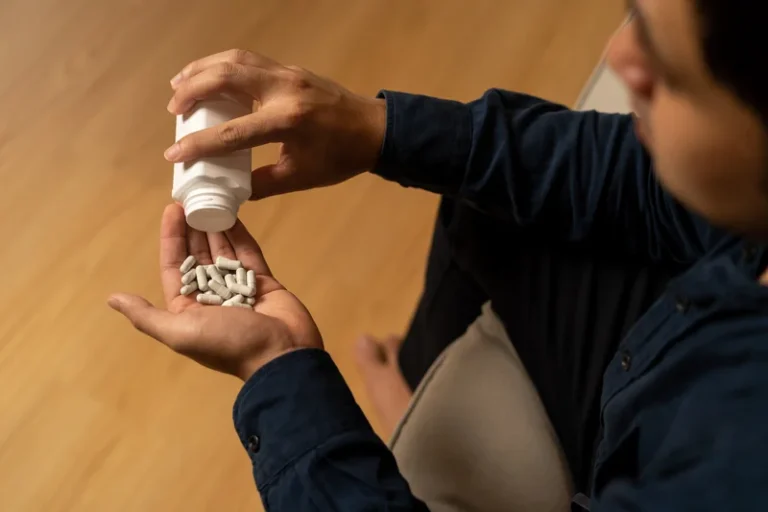
Another scenario is if a person takes a substantial dose of OxyContin but doesn’t experience the effects until later due to it being extended-release. The amount of oxycodone that can produce overdose effects will vary depending on the person. People with significant tolerance to the drug will obviously require more of the drug to produce overdose effects, whereas anyone mixing oxycodone with another drug may overdose on a lower amount of the drug. However, a person’s tolerance for oxycodone can also decrease over time if the person remains abstinent from the drug. Individuals who have been in recovery from an opiate use disorder for even a short period may experience a significant decrease in their tolerance for the drug.
- In addition, because of the relatively prolonged slow onset of action, this route of administration is rarely known to precipitate toxicity.
- In Kentucky, healthcare professionals must first consult the state’s online drug database to determine which analgesic drug can be prescribed to patients.
- Since OxyContin is used for pain, you are not likely to miss a dose.
- Anecdotal data indicate that the risk of overdose is small with buprenorphine/naloxone compared to methadone.
- Read the Medication Guide provided by your pharmacist before you start taking extended-release oxycodone and each time you get a refill.
- 60 Minutes asked Dr. Campman what a fentanyl overdose looks like, and what happens to the body during an overdose.
- Opioid use disorder is a medical condition — it requires care just like any other condition.
- Morphine and heroin are also injected subcutaneously by many people with a substance use disorder.
- Heroin, at about $2 a bag, is up to 10-fold cheaper and more readily available than prescription opioid medications for street purchase, which cost on average about a dollar per milligram.
- Your doctor may decrease your dose if you have sleep apnea (stop breathing for short periods during sleep) while using this medicine.
- Others may use these types of drugs without a prescription, to get “high.” This is an extremely dangerous practice.
Abuse and/or diversion of opiates over the past decade has included drugs like hydrocodone, hydromorphone, fentanyl, morphine, oxycodone, and tramadol. Prescriptions for opioid-containing medications quadrupled between 1999 and 2010. This paralleled a four-fold increase in overdose deaths due to opioids.